

Uncategorized
What Is DMT? Meaning, Effects, Legal Status, and Cultural History Explained
Dec
What Is DMT? A Clear Overview
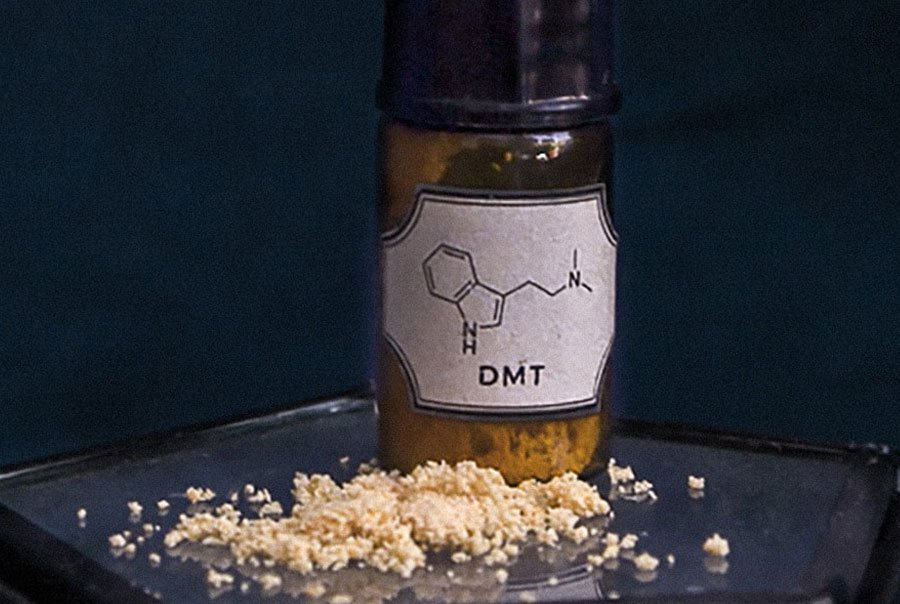
What is DMT? DMT stands for dimethyltryptamine, a powerful psychedelic and hallucinogen known for producing intense but short-lasting altered states of consciousness. In simple terms, the DMT meaning refers to a naturally occurring chemical compound that interacts strongly with the brain’s serotonin system.
This dimethyltryptamine overview helps clarify why researchers, cultural historians, and neuroscientists continue to study it. Often described as one of the most potent psychedelics, DMT explained properly requires looking at its chemistry, effects, legality, and cultural roots.
DMT Drug Facts and Chemical Background
From a scientific perspective, DMT is a chemical compound belonging to the tryptamine family. It shares similarities with serotonin, which explains its strong psychoactive effects. Because of this, DMT is classified as both a DMT psychedelic and a DMT hallucinogen.
Interestingly, DMT is natural. Scientists have identified DMT in nature, including several plants that contain DMT. Researchers have also detected DMT in the human body, although its biological role remains unclear.
How DMT Affects the Brain
To understand how DMT works in the brain, researchers focus on DMT and serotonin receptors, particularly the 5-HT2A receptor. Once DMT binds to these receptors, it rapidly alters perception, cognition, and emotional processing.
Modern DMT neuroscience shows that the compound disrupts default brain networks, which may explain the intense imagery and altered sense of self. Because of this, DMT research studies often explore consciousness itself, not just pharmacology.
DMT Effects and Experience Timeline
DMT Effects and Experience Explained
The DMT experience explained typically includes vivid DMT visuals, strong emotional shifts, and a feeling of entering an alternate reality. Many users describe complex geometric patterns, entities, or immersive environments.
A typical DMT trip description follows a clear DMT experience timeline:
-
DMT onset time: 30 seconds to 2 minutes
-
DMT peak effects: 5–15 minutes of intense visuals and psychological immersion
-
DMT comedown: gradual return to baseline over 15–30 minutes
So, how long does DMT last? In most cases, the full experience ends within one hour.
Psychological and Physical Effects
The DMT psychological effects can include awe, fear, euphoria, or deep introspection. Meanwhile, DMT physical effects may involve increased heart rate, dizziness, or nausea.
The short-term effects of DMT usually fade quickly. However, the long-term effects of DMT remain less understood and vary between individuals.
DMT Risks and Safety Considerations
Naturally, people ask: is DMT dangerous? While DMT does not typically cause physical dependence, DMT risks still exist. These include anxiety, panic reactions, and possible psychological distress.
Common DMT side effects include confusion, fear, and increased blood pressure. Because of this, DMT and mental health is a major focus in research. In some individuals, DMT anxiety effects can persist after the experience.
As a result, harm-reduction advocates emphasize DMT safety information, harm reduction DMT, and broader psychedelic safety education rather than promotion or misuse.
Legal Status: Ireland and the UK
Another crucial question is is DMT illegal? In short, yes.
-
DMT legal status: Classified as a DMT controlled substance
-
DMT Schedule 1 drug: Indicates no accepted medical use under law
Ireland
Under DMT law in Ireland, possession, production, or supply is illegal. DMT penalties Ireland can include fines and imprisonment. These rules fall under broader psychedelic drug laws Ireland enforces strictly.
United Kingdom
Similarly, is DMT legal in the UK? No. The UK also classifies DMT as a Schedule 1 substance, making unauthorized possession or supply a criminal offense.
DMT, Ayahuasca, and Cultural History
Understanding DMT cultural history adds essential context. Indigenous groups in South America have practiced the indigenous use of DMT for centuries through ayahuasca traditions.
Ayahuasca and DMT Difference
Ayahuasca contains DMT combined with MAO inhibitors, which allow oral activation. This explains the key distinction in the ayahuasca and DMT difference.
When comparing DMT vs ayahuasca, ayahuasca experiences last hours, while smoked or vaporized DMT lasts minutes.
Spirituality and Comparisons
Many accounts reference DMT spiritual experiences, DMT shamanism, and DMT religious use, often framed within psychedelic spirituality.
Comparatively:
-
DMT vs LSD: DMT is shorter and more intense
-
DMT vs psilocybin: DMT produces faster, deeper immersion
-
DMT vs 5-MeO-DMT: 5-MeO-DMT often causes ego dissolution with fewer visuals
These differences between psychedelics help explain why DMT stands apart.
Conclusion
In summary, DMT remains one of the most powerful and mysterious psychedelics known. Through continued DMT clinical research, psychedelic research DMT, and DMT and mental health research, science continues to uncover how this compound affects the brain, culture, and consciousness—while laws in Ireland and the UK remain strict.
